CR0 Patios and Small Yards Gardening Tips for Addiscombe Homes
If you live in Addiscombe, you already know the challenge: a patio that needs to feel calm and useful, and a small yard that can slide from tidy to cluttered in no time. The good news is that compact outdoor spaces can be some of the best gardens to work with. With the right planting choices, layout thinking, and a bit of discipline around maintenance, CR0 patios and small yards gardening tips for Addiscombe homes can turn a tight space into somewhere you genuinely want to sit with a cup of tea.
This guide is written for real homes, real weather, and real routines. Not fantasy gardens with endless borders. We'll look at how to make a small patio look larger, how to pick plants that won't bully the space, how to keep the whole thing manageable through the seasons, and when it makes sense to bring in help from a local team such as garden maintenance support or a more involved landscaping service. Let's face it, a little garden should feel easy, not like a second job.
Table of Contents
- Why this matters for Addiscombe homes
- How small patio and yard gardening works
- Key benefits and practical advantages
- Who this is for and when it makes sense
- Step-by-step guidance
- Expert tips for better results
- Common mistakes to avoid
- Tools, resources and recommendations
- Law, compliance, standards, and best practice
- Options, methods, and comparison table
- Case study or real-world example
- Practical checklist
- Conclusion
- Frequently asked questions
Why CR0 Patios and Small Yards Gardening Tips for Addiscombe Homes Matters
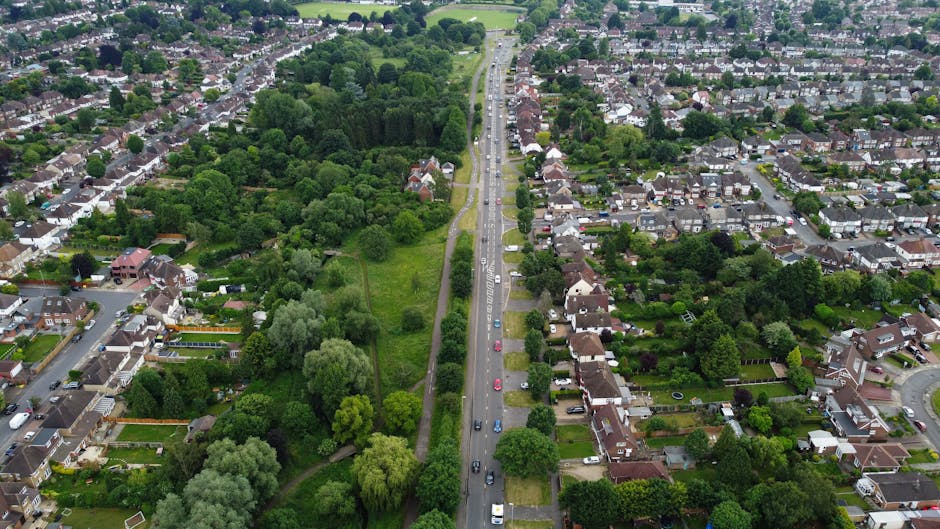
Small outdoor spaces are easy to underestimate. A patio can become a bin store, a bike park, a storage ledge, or the place where three half-finished pots go to live forever. But in Addiscombe, where many homes have compact yards, narrow side spaces, or modest rear patios, a smart garden layout can add proper day-to-day value.
The point is not to cram more in. It is to make the space breathe. In a small yard, every decision is visible. The wrong pot, the wrong hedge height, or one awkward paving line can make everything feel tighter. The right choices, on the other hand, create a little rhythm: open space for movement, greenery where your eye naturally rests, and a surface that is easy to sweep, water, and maintain.
There's also the local climate to think about. South London weather can flip quickly. One week you're pruning in mild sunshine; the next you're dealing with damp corners, moss on paving, and a few wind-tired plants that have had enough, honestly. That means materials, planting, and drainage all matter more than people expect.
For Addiscombe homes specifically, this kind of planning can help with:
- making a compact yard feel brighter and more generous
- reducing maintenance time, especially on busy weekdays
- avoiding plant overcrowding and poor airflow
- keeping patios safer and less slippery after wet weather
- supporting wildlife without turning the space into a jungle
Expert summary: In small gardens, good design is often less about adding more features and more about editing hard. Clear edges, disciplined planting, and a sensible maintenance routine usually beat flashy ideas that look fine for a month and then become a nuisance.
How CR0 Patios and Small Yards Gardening Tips for Addiscombe Homes Works
Small-space gardening works best when you treat the patio or yard as a series of zones rather than one flat patch. That sounds more grand than it is. In practice, it means deciding where you stand, where you sit, where plants will live, and where clutter should never be allowed to gather.
A compact garden usually works through a few simple principles:
1. Use the edges properly
The perimeter is precious. Tall pots, slim planters, trellis panels, or trained climbers can add greenery without swallowing the floor area. If you put the right height at the edges, the centre stays open, which is exactly what you want.
2. Keep the floor area calm
Busy paving patterns, lots of different materials, and too many little features can make the space feel chopped up. One of the simplest tricks is to keep the main surface consistent and introduce variety through planting instead. Your eye rests easier that way.
3. Plant for restraint, not drama
It's tempting to buy vigorous, fast-growing plants because they look good in the shop. But in a patio or small yard, restraint wins. Smaller shrubs, compact evergreens, herbs, ornamental grasses, and clipped shapes often perform better than sprawling plants that need constant cutting back.
4. Design for maintenance from day one
This is where a lot of people go wrong. They plan a lovely garden based on a sunny Saturday morning mood, not the actual reality of rainy evenings and school runs. A good small garden should be quick to tidy, easy to water, and not dependent on endless attention. If you want help keeping that consistency, a service like lawn mowing can be useful for nearby green edges, while more complex tidy-ups may call for garden clearance.
Key Benefits and Practical Advantages
Done well, a small patio or yard can punch well above its weight. You do not need acres. You need intention.
Better everyday use
When a garden is uncluttered, you actually use it more. That might mean breakfast outside on a mild morning, a few minutes with a book in the evening, or a safe space for children to potter about. A garden that is easy to step into gets used. Simple as that.
Less maintenance stress
Practical planting, simple edging, and clean hard landscaping reduce the weekly faff. Instead of spending your time reworking the same problem areas, you can spend ten minutes sweeping, watering, and checking what needs attention.
More visual space
There are ways to make a yard look bigger without moving walls. Repeated materials, vertical planting, restrained colour palettes, and a single clear seating area all help. Even the humble trick of keeping pots in matching tones can make a space feel more ordered.
Improved drainage and cleanliness
Small patios can collect water and debris quickly. Choosing surfaces and layouts that are easy to clean makes a surprising difference. If you've ever stood on cold paving in January trying to sweep up wet leaves, you know what I mean.
Stronger curb appeal and property feel
A cared-for small garden can change the whole impression of a house. It gives a sense of quiet competence. Not showy. Just well looked after. In a place like Addiscombe, that understated finish often suits the home better than an over-designed scheme.
Who This Is For and When It Makes Sense
This kind of approach is ideal if you have a small rear yard, compact patio, side return, or a paved outdoor area that feels more functional than inviting. It also makes sense if you're tired of plants constantly outgrowing the space, or if you want something that can be maintained without a big weekly commitment.
You may especially benefit if you are:
- a homeowner wanting a more relaxing outdoor space
- a landlord trying to keep a property tidy and presentable
- a new buyer working with an awkward or neglected patio
- a family needing a safe, manageable yard rather than a complex garden
- someone who likes gardening, but not endless gardening
It also makes sense after a clear-out, renovation, or decking upgrade. If your outdoor area has become overloaded with old pots, broken furniture, weeds, and debris, starting fresh can help. In those cases, a service like services overview can help you judge what level of support is appropriate, and decking services may be worth considering if you need a cleaner transition between patio and planting zones.
Truth be told, not every yard is meant to be a lush cottage garden. Some are better as calm, structured, low-fuss spaces. And that's absolutely fine.
Step-by-Step Guidance
Here's a sensible way to approach a small patio or yard without overcomplicating it.
Step 1: Clear the space properly
Start by removing anything you no longer use. Old containers, cracked trays, tired ornaments, dead plants, random bricks from who-knows-when. A cluttered start leads to a cluttered finish. If the area is badly overgrown or packed with waste, garden clearance can save you a lot of effort and give you a clean slate.
Step 2: Check the hard surface
Look at the patio paving, grouting, drains, and any uneven spots. Water pooling, loose slabs, or slippery patches need attention before you start styling the space. It is much easier to deal with these basics first than to work around them later.
Step 3: Decide what the space should do
Ask one simple question: what do I actually want from this garden? Seating? A few herbs? A low-maintenance view? A play area? Choose one main function and build around it. Small spaces struggle when they try to do five things badly.
Step 4: Create one clear focal point
This might be a bench, a pair of containers, a small tree in a large pot, or even a simple wall planting display. A focal point draws the eye and gives structure. Without it, the garden can feel like a collection of unrelated bits.
Step 5: Choose plants by size, light, and habit
Pick plants that suit the actual conditions. Is the patio shaded most of the day? Is it exposed and windy? Do you want evergreen structure or seasonal colour? The best plants are the ones that thrive with the least drama.
Step 6: Layer height carefully
Use low plants near the front, medium plants in the middle, and taller items at the back or edges. That simple layering creates depth without blocking movement. If you put everything at one height, the garden feels flat.
Step 7: Add storage that disappears visually
Small yards need storage, but storage should not dominate. Bench boxes, slim bins, and tucked-away shelves are better than bulky items left in the middle of the view. Keep tools where you can reach them, but not where you can see them all the time.
Step 8: Set a maintenance rhythm
At a minimum, plan a weekly sweep, watering check, and quick plant inspection. Seasonal tasks can be heavier, but the weekly routine keeps things from slipping. If you want a dependable backup, regular garden maintenance can be the difference between a garden that stays finished and one that slowly drifts.
Expert Tips for Better Results
A few details separate a decent small garden from one that feels considered.
Go bigger with fewer containers
It sounds counterintuitive, but a handful of larger pots often looks better than a crowd of small ones. Bigger containers hold moisture more evenly, reduce visual clutter, and make the space feel deliberate rather than improvised.
Repeat materials and colours
If your paving is warm-toned, use pots and furniture that sit comfortably with it. If you want a modern finish, stick to two or three main tones. Repetition gives a small space the confidence it needs.
Use vertical space, but don't overdo it
Walls and fences are useful. Trellis, climbers, or mounted planters can work well. But leave some breathing room. A full wall of greenery can feel heavy in a tiny yard if there's no balance. One or two vertical features are usually enough.
Trim before things get awkward
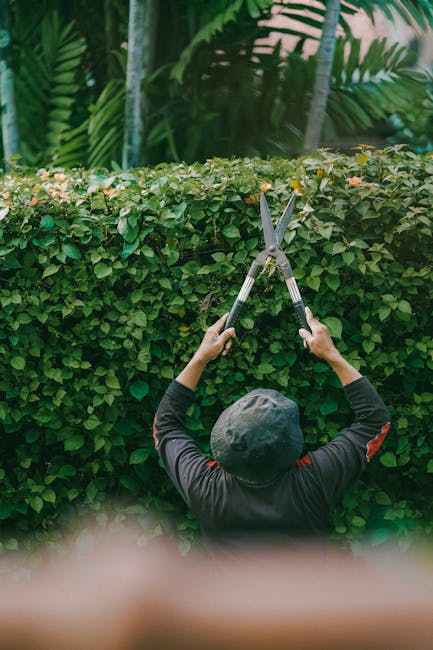
With small gardens, plants can become intrusive fast. Soft growth hanging across the path, branches leaning into the seating area, or hedges thickening into the light all make the space feel smaller. Routine trimming keeps the shape tidy. For regular shape control, hedge trimming can be very useful, especially where boundary planting is doing the job of structure.
Keep one corner empty
This is a simple design trick, but it works. Leave one part of the garden intentionally spare. The eye needs somewhere to rest, and the empty space makes the rest of the planting feel more intentional.
Think about evening use
In a small garden, lighting can make the area feel much more welcoming after dark. You do not need a theatrical setup. Gentle light near steps, seating, or feature pots is enough. On a cool evening, even a modest glow changes the feel completely.
And yes, you can over-style a patio. Some gardens end up looking like they've had a personality transplant. Bit much. Better to keep the design grounded and usable.
Common Mistakes to Avoid
Most small-garden mistakes are understandable. People mean well. They just buy, plant, or build before they plan.
Using too many plant varieties
Too much variety can make a small space look messy. If every pot is a different height, colour, and texture, the eye never settles. Choose a few repeated plants and let them do the work.
Buying plants that outgrow the site
That tiny shrub may look harmless now. In six months, not so much. Check mature size, not just the label photo. In a patio or yard, mature size matters far more than first-year impact.
Ignoring drainage
Waterlogged corners, poor runoff, and blocked gullies become a regular nuisance. In compact spaces, even a small drainage issue is obvious. It can also create slippery surfaces and encourage moss.
Blocking light with tall planting
If your garden already feels shaded, don't make it darker with dense screening everywhere. Some privacy is useful. Total enclosure can make the area feel closed in.
Leaving maintenance for "later"
Later has a way of arriving with weeds, dead leaves, and a few stubborn jobs that now take twice as long. A little maintenance done regularly is much easier than a big rescue job.
Overcomplicating the layout
Multiple zones, curves, levels, and decorative extras can work in a bigger garden. In a small yard, they often just get in the way. Keep movement simple.
Tools, Resources and Recommendations
You do not need a shed full of equipment to manage a small patio or yard. A basic toolkit and a sensible routine are usually enough.
- Hand trowel and hand fork for planting and repotting
- Bypass secateurs for clean pruning on soft stems and smaller branches
- Stiff broom for sweeping patios, especially after wind or leaf fall
- Watering can or hose with control nozzle for targeted watering
- Gloves for pruning, clearing, and pot moving
- Weed scraper for joints, edges, and corners
- Large but lightweight pots to give structure without making the area feel crowded
If you are unsure where to start, a staged approach works well. First clear and tidy, then fix or improve the hard surface, then add planting, then set up maintenance. That sequence saves time and avoids rework.
For households that want long-term care rather than a one-off tidy-up, it can help to pair planting decisions with regular upkeep. A practical team can keep on top of mowing nearby lawn edges through lawn mowing, support layout changes through landscape gardening, or handle larger seasonal resets if the garden gets behind.
If sustainability matters to you, think about reusing pots, composting where possible, and choosing durable materials over disposable ones. The site's recycling and sustainability page is a useful place to understand the company's approach to responsible garden work.
Law, Compliance, Standards, or Best Practice
For most domestic patio and small-yard gardening, the main concern is not complex regulation. It is good practice, neighbour awareness, and safe working. Still, a few points are worth keeping in mind.
First, if you are changing hard landscaping, altering drainage, or installing heavier features, it makes sense to check whether the work needs to be designed carefully for your property. Surface water management, access, and stability all matter. You do not want a beautiful patio that quietly causes a nuisance every time it rains.
Second, if you use contractors, ask about insurance and safety arrangements. A proper working approach should include sensible protective measures, clear communication, and safe handling of tools and materials. If you want to understand how a provider approaches this side of the job, it may be worth reviewing their insurance and safety information and their health and safety policy.
Third, be considerate about waste and disposal. Garden waste, old materials, and cleared debris should be handled responsibly. In practice, that means neat removal, not dumping things at the side of the property and hoping for the best. If a job is more than a tidy-up, garden clearance is often the cleanest route.
Finally, if you are ever unsure about boundary height, shared access, trees close to walls, or potentially awkward pruning jobs, it is wise to proceed carefully. A neat small garden should not create avoidable issues for neighbours or the property itself. Common sense goes a long way here.
Options, Methods, or Comparison Table
There is no single right way to improve a small patio or yard. The best choice depends on how you use the space, how much maintenance you want, and how finished you want the result to feel.
| Approach | Best for | Pros | Trade-offs |
|---|---|---|---|
| Container planting only | Renters, cautious gardeners, quick refreshes | Flexible, easy to change, low commitment | Can look cluttered if overused; needs regular watering |
| Mixed paving and planting | Homeowners wanting balance and structure | Feels more designed; works well in compact spaces | Needs careful planning and slightly more upkeep |
| Low-maintenance structural design | Busy households and landlords | Simple to keep tidy; strong year-round shape | Less lush; relies on good layout choices |
| Soft garden makeover with more planting | People wanting a greener, more restful feel | Atmospheric, wildlife-friendly, comfortable | Requires more pruning and seasonal care |
In many Addiscombe homes, the mixed approach gives the best balance. You get enough structure to keep the yard manageable, but still enough planting to make it feel alive. That's usually the sweet spot.
Case Study or Real-World Example
Here's a realistic example from the kind of space many CR0 homes have: a narrow rear yard with old concrete paving, three random pots, a tired fence line, and a corner that always seems to stay damp.
The first step was to clear out the clutter and remove the dead growth. Then the paving was cleaned and checked, because there was no point adding nice planting to a surface that still looked worn and uneven. The owner wanted something that felt green but not fussy, so the design focused on a single seating area, two larger containers, a slim raised bed along one fence, and a climber trained vertically to soften the boundary.
What changed the space most was not the planting itself. It was the editing. Fewer pots. Clearer lines. Better spacing. One low bench instead of bulky furniture. The yard looked bigger almost immediately, and maintenance became simpler because there were fewer awkward corners collecting leaves and debris.
A couple of months later, the owner said the best part was that they now actually used the space after work. That is often the real measure of success in a small garden. Not how much gets added, but whether the garden starts to feel like part of the home again.
If you are dealing with a similar setup, this kind of transformation may be less about a full rebuild and more about careful improvement. For some properties, a targeted service such as landscape gardening or a tidy-up from garden maintenance is enough to move things forward without unnecessary cost or disruption.
Practical Checklist
Use this as a quick working list before you start, or after you've finished to make sure nothing obvious has been missed.
- Remove unwanted clutter, broken pots, and dead planting
- Check paving for loose, uneven, or slippery areas
- Decide the main purpose of the space
- Keep the central walking and standing area open
- Choose plants that suit the light and exposure
- Use larger containers rather than too many small ones
- Repeat colours and materials for a calmer look
- Leave one area visually quiet so the space can breathe
- Plan a simple weekly sweep and water routine
- Trim or tidy plants before they start blocking light and paths
- Think about drainage and water run-off
- Keep tools, compost, and storage out of the main view
It's a short list, but it covers the stuff that really matters. The rest is detail.
Conclusion
Small patios and yards in Addiscombe can be incredibly rewarding to garden if you work with the space instead of fighting it. Keep the layout clear, choose plants that stay in proportion, think about maintenance from the start, and treat every square metre as if it matters, because it does. A modest outdoor area done well can feel calm, useful, and quietly beautiful.
The best results usually come from steady decisions, not dramatic ones. A cleaner line here, a better plant choice there, a little less clutter, a little more breathing room. That's the formula. And once the garden starts working for you, you'll wonder why it ever felt difficult in the first place.
If you are planning a refresh, a tidy-up, or a more complete transformation, it may help to explore the wider range of available gardening and landscaping services. You can also learn more about the team behind the work on the about us page, or keep things simple and begin with a conversation through the contact page.
Get a free quote today and see how much you can save.
With a bit of care and a clear plan, even the smallest patio can become the part of the home that feels the most restful. That's a lovely thing, really.
Frequently Asked Questions
What are the best plants for a small patio in Addiscombe?
Choose compact, well-behaved plants that suit the light conditions. Evergreen structure, herbs, ornamental grasses, and restrained flowering plants usually work well because they give interest without taking over.
How do I make a small yard look bigger?
Keep the centre open, repeat a limited colour palette, use larger containers instead of lots of small ones, and avoid overfilling the space. Simple lines and a clear focal point help a lot.
Is container gardening a good option for CR0 patios?
Yes, especially if you want flexibility or a lower-commitment setup. Containers are easy to rearrange and ideal for renters or homeowners who want to change the look over time.
How often should a small patio garden be maintained?
A weekly sweep and quick plant check is a sensible baseline. More active jobs like pruning, deadheading, or pressure cleaning may be needed seasonally depending on the planting and surface type.
What should I do with a cluttered or neglected yard first?
Start with a clear-out. Remove dead plants, broken items, and unused clutter before making design decisions. A clean slate makes everything else easier and usually reveals what the space really needs.
Can I combine paving and planting in a very small space?
Absolutely. In fact, that is often the best solution. A balanced mix of hard surface and planting gives structure, keeps the area usable, and prevents the garden from feeling too bare or too crowded.
Do I need professional help for a small garden?
Not always. But if the space is overgrown, badly laid out, or in need of a more complete redesign, professional help can save time and prevent expensive mistakes. It depends on how much work you want to take on yourself.
How can I keep a patio safe in wet weather?
Make sure the surface drains well, remove moss or algae promptly, and keep the area swept. Slippery patches should be treated carefully, especially around steps or narrow walkways.
What is the easiest way to add privacy to a small yard?
Use vertical planting, trellis, or carefully placed screening rather than large, heavy structures. The aim is to soften views without blocking too much light or making the space feel boxed in.
Are decking and patios suitable for small gardens?
Yes, if they are planned carefully. A well-proportioned deck or patio can help define the space and make it feel more usable. The key is keeping the design simple and not crowding the layout.
How do I avoid making a small garden feel crowded?
Limit the number of plant types, use repetition, leave some visual breathing room, and resist the urge to add too many decorative extras. Small spaces need confidence and restraint more than decoration.
When is the best time to refresh a small patio garden?
Spring is a popular time because growth is starting and you can see what needs attention. That said, any time is fine if the space has become untidy or difficult to use. Sometimes the best time is simply when you're ready.