Garden care for Addiscombe Railway Park and nearby homes
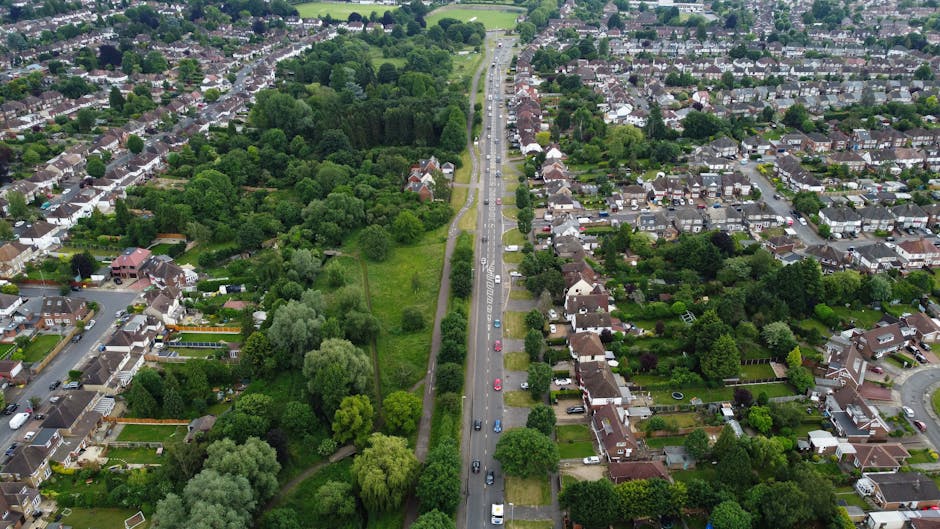
If you live near Addiscombe Railway Park, you already know the rhythm of the place: leafy edges, shared sightlines, small front gardens that make a big first impression, and back gardens that need to keep pace with busy family life. Garden care for Addiscombe Railway Park and nearby homes is really about keeping those spaces healthy, tidy, safe, and pleasant without turning maintenance into a second job.
That might mean a quick mow before the weekend, a hedge trim after a growth spurt, or a full seasonal tidy when everything has gone a little wild. Truth be told, most gardens do not need heroic effort. They need consistency, a sensible plan, and a bit of local judgement. In this guide, you will find practical steps, useful comparisons, and a grounded way to decide what to do yourself and what is better left to a professional.
For readers who want a broader overview of service options, the services overview is a handy starting point, and if you are comparing ongoing upkeep with one-off tidy-ups, the details on garden maintenance may help you frame the job properly.
Quick takeaway: the best garden care near Addiscombe Railway Park is seasonal, practical, and suited to the way homes here are actually used - not overly fussy, not neglected, just steady and well judged.
- Why it matters
- How it works
- Key benefits
- Who needs this
- Step-by-step guidance
- Expert tips
- Common mistakes
- Tools and recommendations
- Law, compliance and best practice
- Options and comparison
- Real-world example
- Practical checklist
- Conclusion
- Frequently asked questions
Why Garden care for Addiscombe Railway Park and nearby homes Matters
Gardens around Addiscombe Railway Park often do double duty. They are outdoor living rooms, storage areas, play spaces, wildlife habitats, and the bit of the property people see first. If they slip, everything else feels a bit more tired too. A patchy lawn, an overgrown hedge, or a front path hidden by weeds can make even a decent home look unloved.
There is also the practical side. Damp leaves on paving become slippery. Hedges that crowd pavements can create awkward visibility or neighbour issues. A tree that was fine in spring can start throwing shade where you do not want it by midsummer. Let's face it, gardens have a habit of changing fast in the UK. One wet week and it feels like the whole plot has doubled in size.
For nearby homes, the value of regular care is not just appearance. It is about control. Small, frequent jobs are usually cheaper and less stressful than waiting until the space has become a full clearance project. If a garden is being used by children, pets, older relatives, or visitors with limited mobility, maintenance becomes even more important.
And there is a local character to consider. In a park-adjacent area, many gardens are visible from neighbouring properties, footpaths, or passing traffic. That means neat edges, tidy boundaries, and sensible planting choices tend to matter more than in a hidden rural plot. Not every garden needs to look formal. It just needs to look cared for.
How Garden care for Addiscombe Railway Park and nearby homes Works
Good garden care follows a simple principle: inspect, prioritise, maintain, and improve. In practice, that means looking at the garden as a set of tasks rather than one giant chore. You check what needs attention, decide what is urgent, and work through it in a sensible order.
A typical maintenance cycle may include mowing, edging, trimming, weeding, pruning, sweeping, and seasonal tidy-ups. If the garden has been neglected, you may begin with a heavier reset such as garden clearance before shifting into routine care. That staged approach is often more effective than trying to do everything at once, especially if the plot has brambles, congested borders, or large amounts of green waste.
There is also a difference between cosmetic care and structural care. Cosmetic care makes the space look neat: cut grass, tidy borders, trim hedges. Structural care protects the garden long term: improving soil, pruning correctly, checking tree health, managing drainage, and choosing plants that suit the light and soil conditions. You need both. One without the other is a bit like washing the car but never checking the tyres.
If you are considering support beyond basic upkeep, services like lawn mowing, hedge trimming, and garden clearance are often the most relevant starting points for homes close to the park.
Key Benefits and Practical Advantages
Reliable garden care brings a lot of quiet advantages. None of them are flashy, but they add up fast.
- Better kerb appeal: A neat front garden makes the whole property feel more welcoming.
- Less long-term work: Small weekly or fortnightly tasks prevent big seasonal backlogs.
- Healthier planting: Regular pruning, feeding, and weed control help plants compete properly.
- Safer surfaces: Less moss, less leaf build-up, fewer trip hazards, fewer slippery patches.
- More usable space: A tidy garden is easier to sit in, play in, and enjoy after work.
- Better boundaries: Well-kept hedges and edges reduce friction with neighbours.
- Reduced waste buildup: Green waste is easier to manage when it does not pile up for months.
There is a softer benefit too. A cared-for garden changes how a home feels from the inside. You glance out at a clean lawn or a calm border and, oddly enough, the whole room seems more settled. It sounds small. It is not small.
Who This Is For and When It Makes Sense
This type of garden care suits a broad mix of residents near Addiscombe Railway Park:
- homeowners who want their garden to stay manageable year-round
- landlords who need outdoor spaces to present well between tenancies
- busy families who do not have time for regular heavy upkeep
- older residents who prefer dependable help with physically demanding tasks
- new movers who have inherited an overgrown or neglected garden
- people preparing to sell, rent, or refresh their property
It makes sense when you notice the same jobs repeating: grass getting too long every week, hedges spilling over, weeds returning faster than you can keep up, or flower beds turning into a tangle. That is usually the sign that a light-touch routine is needed, not just the odd rescue mission.
If the issue is more than routine maintenance, it may be worth looking at landscaping or landscape gardening for a longer-term redesign, especially where poor layout is causing the maintenance problem in the first place.
Step-by-Step Guidance
Here is a practical way to handle garden care without overcomplicating it.
- Walk the garden slowly. Look for long grass, dead growth, blocked drains, broken edging, and anything creating a mess or hazard.
- Start with access. Clear paths, move loose items, and make sure you can reach borders, corners, and sheds before you begin.
- Tackle the biggest visual wins first. For most gardens, this means mowing the lawn, edging the borders, and removing obvious weeds.
- Trim carefully. Hedges, shrubs, and climbers should be cut with their natural shape in mind. Heavy-handed cuts can leave bare patches for months.
- Rake and remove waste. Compost what you can and bag the rest properly. Do not leave piles sitting in the corner; they invite pests and damp.
- Check the soil and watering needs. Dry borders, compacted soil, and shallow-rooted plants often need more than a quick tidy.
- Review the garden from the house. Stand at the back door or living-room window. You will often spot the problem areas faster from there.
- Set the next date. Even a loose fortnightly or monthly plan works better than waiting until the garden shouts for attention again.
A small but useful habit: keep a note on your phone of what starts to look tired first. Some gardens always need the lawn trimmed, others always need the back hedge sorted, and a few are basically weed factories by June. Once you know the pattern, maintenance gets easier.
Expert Tips for Better Results
Here are a few things that experienced gardeners usually keep in mind, whether they are working on a compact terrace garden or a bigger family plot.
Time your work to the season
Spring and early summer can make growth surge almost overnight. In autumn, leaf fall can overwhelm paths and borders. Winter tends to expose structural issues that were hidden in the summer foliage. The point is simple: do not judge your garden by one good week in May.
Cut less, more often
Frequent light maintenance is kinder to lawns and hedges than rare dramatic cuts. You get a cleaner finish, less stress on plants, and a garden that feels under control rather than constantly recovering.
Watch the edges
Edges do more work than people think. Crisp lawn edging, clean fence lines, and tidy border transitions can make a modest garden look properly looked after. It is one of those details that people notice without realising why.
Do not overfeed or overwater
It is tempting to be generous, but too much feeding or watering can create weak growth, fungus issues, or shallow roots. Plants are a bit like people, really. They do better with the right amount than the most amount.
Use the garden as a whole system
If one part is causing trouble, look at the cause, not just the symptom. A border full of weeds might be a soil issue. A mossy path might be shade and drainage. A hedge that needs constant control may be planted in the wrong place. Small clues matter.
Common Mistakes to Avoid
Most garden problems around homes near the park do not come from one big error. They come from a cluster of little ones.
- Waiting too long between visits: The garden gets out of hand, and the job becomes heavier than it needed to be.
- Using blunt tools: Poor cuts stress plants and leave ugly, ragged finishes.
- Scalping the lawn: Cutting grass too short weakens it, especially in dry spells.
- Ignoring hedge width: A hedge left too long becomes harder to bring back under control.
- Leaving waste in heaps: Damp piles attract pests and make the garden feel messy again almost immediately.
- Planting for looks only: Choosing plants without thinking about shade, soil, and space leads to extra work later.
One more, slightly annoying but true: starting a big job without a disposal plan. The green waste still has to go somewhere. There is nothing magical about that mountain of cuttings in the corner. It just gets soggy and heavier.
If your garden has reached the stage where it needs a full reset, it may be more sensible to begin with a proper clearance rather than trying to nibble away at it in bits. The difference is night and day, honestly.
Tools, Resources and Recommendations
You do not need a shed full of specialist kit, but the right basics make a big difference.
| Task | Useful tools | What to look for |
|---|---|---|
| Lawn care | Mower, edging tool, rake | Clean cut, reliable height adjustment, easy collection of clippings |
| Hedge and shrub care | Shears, hedge trimmer, secateurs | Sharp blades, comfortable grip, control around delicate growth |
| Weeding and border work | Hand fork, hoe, gloves | Tools that suit the size of the bed and the type of weeds present |
| Tidy-up and clearance | Rake, bags, wheelbarrow | Durability and enough capacity to move waste efficiently |
| Tree and larger growth | Pruning tools, safety gear, ladder only where appropriate | Careful handling and a clear limit on what should not be done casually |
For many households, the best recommendation is not buying more kit. It is getting the right sequence of work and deciding what genuinely needs professional attention. That is especially true for larger hedges, awkward access, or trees that require cautious handling. If a task feels borderline, it probably is.
For readers who want to understand how the work is priced or scoped, the pricing and quotes page can help set expectations, and the company's approach to recycling and sustainability is worth considering if you care about how waste is handled.
Law, Compliance, Standards, or Best Practice
Garden care is not usually complicated from a compliance point of view, but there are still sensible standards to follow. In the UK, homeowners and contractors should take care around safety, waste handling, property boundaries, and work that may affect neighbours or shared access. If trees are involved, extra caution is wise, because careless cutting can create risk quickly.
Best practice usually means:
- working safely with sharp tools and machinery
- not blocking public paths or shared access while carrying out work
- disposing of green waste responsibly
- checking whether large trees or boundary issues need specialist attention
- keeping records or notes for regular maintenance visits if the garden is managed over time
If you are hiring help, it is reasonable to ask about safety, insurance, and working methods. A trustworthy garden service should be comfortable discussing these points in plain English. If they seem vague, that is worth noticing. The practical details matter more than the sales patter.
You can also review the company's own information on insurance and safety and the health and safety policy if you want a better sense of how work is managed.
Options, Methods, or Comparison Table
Different gardens need different levels of help. Sometimes the right choice is a straightforward mow. Sometimes it is a proper overhaul. Here is a useful way to compare the common approaches.
| Approach | Best for | Pros | Limitations |
|---|---|---|---|
| DIY routine care | Small to medium gardens, light upkeep | Low cost, flexible timing, personal control | Can become time-consuming and inconsistent |
| Scheduled maintenance visits | Busy households, rental homes, ongoing upkeep | Reliable, tidy results, less backlog | Less hands-on if you enjoy doing the work yourself |
| One-off clearance | Overgrown, neglected, or inherited gardens | Fast visual reset, easier to restart from a clean base | Not a substitute for ongoing care |
| Landscape improvement | Poor layout, awkward use, drainage or access issues | Can reduce future maintenance and improve usability | Requires more planning and usually a bigger budget |
The choice often comes down to one question: are you trying to keep a good garden healthy, or rescue a difficult one? Different answer, different plan. Simple as that.
Case Study or Real-World Example
Imagine a typical home a short walk from Addiscombe Railway Park. The front garden has become a little scruffy through winter. The hedge is leaning out, the lawn has patches where the grass thinned, and the back garden has a border full of stubborn weeds. Nothing dramatic. Just enough to make the space feel behind.
The sensible approach would be to start with a tidy-up: mow the lawn, edge the borders, cut the hedge back to a manageable line, remove dead growth, and clear out the obvious waste. If the garden had been untouched for months, a fuller garden clearance would make more sense than trying to force routine maintenance into an overgrown space.
Once the garden is reset, the homeowner moves to a simple schedule: mow every one to two weeks in growth season, trim hedges when needed, and spend ten minutes a week on weeds and debris. Nothing fancy. The result is not a show garden, but it is calm, clean, and easy to enjoy. That is usually the real win.
We have seen this happen plenty of times: a garden that felt like a burden starts to feel usable again once the first proper cut and clean-up are done. The change is often immediate. You can almost hear the space breathe out a bit.
Practical Checklist
Use this checklist for regular garden care near Addiscombe Railway Park and nearby homes.
- Inspect lawn, borders, paths, and fences for obvious issues
- Remove weeds before they set seed
- Mow regularly rather than letting grass become too long
- Trim hedges before they block paths or light
- Clear leaves and debris from paving, drains, and corners
- Check for dead, diseased, or damaged growth
- Bag or compost green waste promptly
- Watch for moss, compacted soil, or poor drainage
- Review access points and make sure walkways stay safe
- Set the next maintenance date before you forget
Use this as a reset, not a one-off cure. Gardens tend to behave better when they know they will be seen again soon. Odd, but true.
Get a free quote today and see how much you can save.
Conclusion
Garden care for Addiscombe Railway Park and nearby homes works best when it is steady, local, and realistic. The goal is not to create more work for yourself. It is to keep the space neat enough to enjoy, healthy enough to last, and manageable enough that it does not dominate your weekends.
For some homes, that means a simple mowing and trimming routine. For others, it means clearing back an overgrown plot and starting fresh with a more thoughtful maintenance plan. Either way, the principles stay the same: act early, keep things regular, and choose methods that suit the garden rather than fighting it.
If you want to explore the service side in more detail, start with the services overview and then decide what kind of help fits your garden best. A calm outdoor space is a quiet kind of luxury, really. And on a good evening, with the air still and the light fading over the trees, you notice it straight away.
Frequently Asked Questions
What does garden care usually include for homes near Addiscombe Railway Park?
It usually includes mowing, hedge trimming, weeding, border tidying, leaf clearance, pruning, and general seasonal upkeep. Some gardens also need a bigger clearance first if they have become overgrown.
How often should a garden near the park be maintained?
That depends on the size of the garden and how fast it grows, but many homes benefit from weekly or fortnightly attention during active growing months, then lighter maintenance in autumn and winter.
Is regular garden maintenance better than one-off tidy-ups?
For most homes, yes. Regular maintenance keeps the garden easier to manage and usually prevents the need for heavy intervention later. One-off tidy-ups are useful when the space has already slipped too far.
What is the difference between garden clearance and garden maintenance?
Garden clearance is for heavier work, such as removing overgrowth, waste, and neglected material. Garden maintenance is the ongoing work that keeps a garden looking tidy and healthy once it is already under control.
Do I need professional help for hedge trimming?
If the hedge is tall, wide, near a boundary, or difficult to access safely, professional help is often the sensible choice. Smaller hedges are more manageable for DIY work, as long as the tools are sharp and the cut is controlled.
Can poor garden layout make maintenance harder?
Absolutely. Awkward borders, narrow access, badly placed shrubs, and poor drainage can turn simple care into a constant chore. In those cases, landscaping or landscape gardening may save time in the long run.
How do I know whether my lawn needs mowing or more serious repair?
If the grass is simply long, mowing will do the job. If there are bare patches, moss, compaction, or drainage problems, the lawn may need a broader repair plan rather than just a cut.
What should I do with all the green waste?
Remove it promptly. Compost what you can, bag the rest, and avoid leaving piles sitting around. Waste left in the garden tends to make the space feel messy again and can attract pests or damp.
Are there safety issues I should think about with garden work?
Yes. Slippery surfaces, sharp tools, unstable ladders, heavy branches, and hidden debris can all create risk. If a task feels awkward or unsafe, it is better to slow down or bring in help.
What if my garden has been neglected for months?
Start with a reset rather than trying to catch up all at once. A full clearance, followed by routine maintenance, is usually the easiest and least frustrating way back to a usable garden.
Can garden care help improve the value or appeal of a home?
It can improve presentation and make a property feel better maintained, which matters for buyers, tenants, and visitors. It is not a guarantee of value, but a tidy garden almost always helps first impressions.
Where can I learn more about the company behind these services?
If you want a sense of the team, their background, and how they work, the about us page is the best place to start. For direct enquiries, use the contact us page.